Best Credit Cards for Groceries in 2026
For travelers, Amex Gold turns U.S. supermarket spending into 4X Membership Rewards. See when cash-back or no-annual-fee cards deliver more value.

Groceries are one of the easiest household expenses to turn into travel rewards or cash back because the spending is both frequent and predictable. The best card, however, depends on what you want those rewards to do.
Five percent cash back is worth five cents per dollar. Four transferable points can be worth considerably more when they become an airline or hotel award. That is why the American Express Gold Card is the best grocery card for travelers who know how to use Membership Rewards, even though several cash-back cards advertise a higher number.
CardStack values Membership Rewards at 2 cents each, giving Gold’s 4X supermarket category an estimated 8% travel return before its annual fee. The Bilt Mastercard Obsidian and Citi Strata Card can come out ahead after fees when Gold’s credits do not fit your existing spending.
TL;DR
- Best for high-value travel: Amex Gold leads when you transfer Membership Rewards well and naturally use at least part of its credit package.
- Best $95 points card: Bilt Obsidian produces an estimated 6.6% travel return when you choose groceries rather than dining as its 3X category, with a $25,000 annual grocery cap.
- Best no-fee points card: Citi Strata earns 3X at supermarkets with no annual fee, although its transfer ratios and available partners can differ from the premium Citi cards.
- Best for cash back: Blue Cash Preferred Card earns 6% on the first $6,000 each calendar year and has a $0 introductory annual fee for the first year, then $95.
- Best simple no-fee cash back: Capital One Savor Cash Rewards Credit Card earns unlimited 3% at eligible grocery stores, but Walmart and Target don’t qualify.
How to choose a grocery card
Start with the reward you will actually use. Cash back receives its face value. Transferable points use the current values in CardStack’s program catalog: 2 cents for Membership Rewards, 2.2 cents for Bilt Rewards, 2.05 cents for Ultimate Rewards, 1.9 cents for ThankYou Rewards, and 0.5 cent for Hilton Honors.
Those values estimate achievable travel redemptions, not guaranteed cash prices. Citi Strata has a narrower transfer profile than Citi Strata Premier, while Chase Freedom Flex needs an eligible premium Chase card before its points can transfer to travel partners. Those restrictions matter even when the cards share a rewards-program name.
The calculations subtract the full ongoing annual fee and give card credits no automatic value. A credit helps only when it replaces a purchase you already planned. Welcome offers are not included because they affect the first year, not the card’s repeatable annual grocery return.
The eleven grocery cards compared
| Card | Grocery earning | Cap or restriction | Annual fee | Best for |
|---|---|---|---|---|
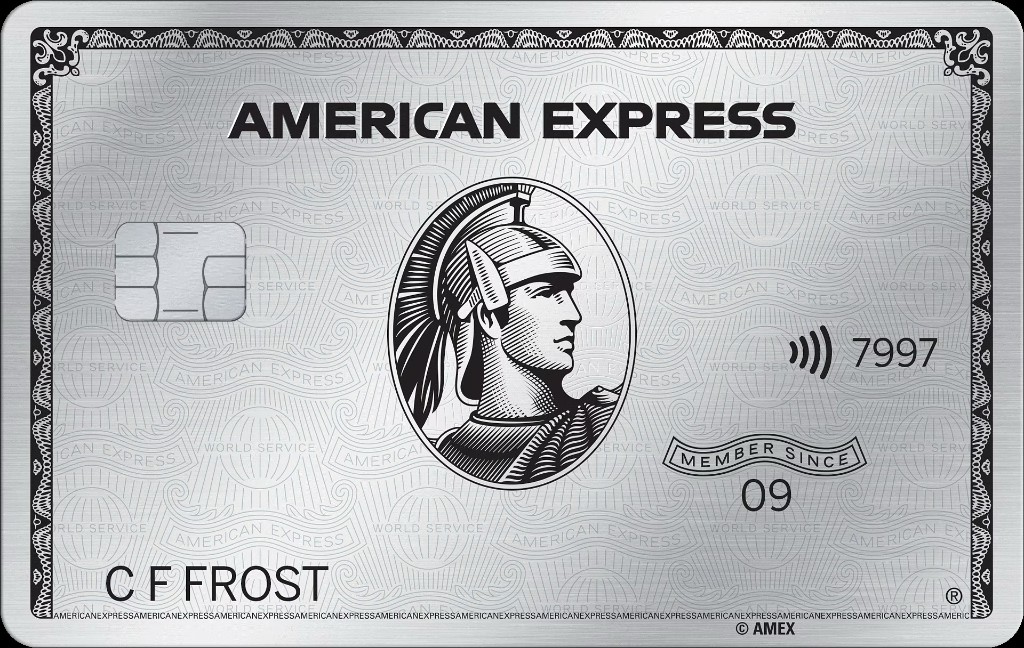
Card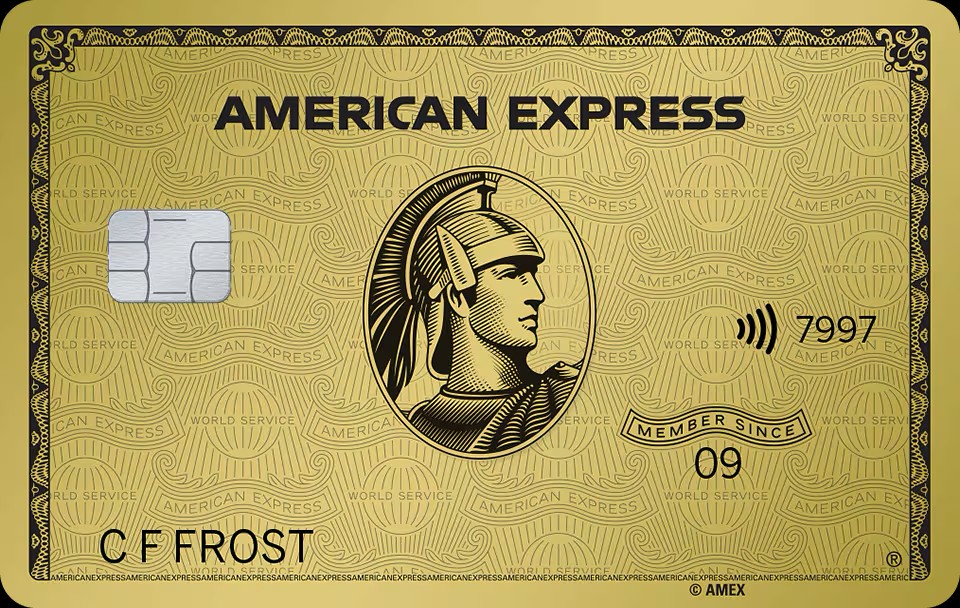 American Express Gold Card | Grocery earning4X Membership Rewards at U.S. supermarkets, worth an estimated 8% for travel | Cap or restrictionFirst $25,000 per calendar year, then 1X | Annual fee$325 | Best forBig U.S. supermarket spenders |
Card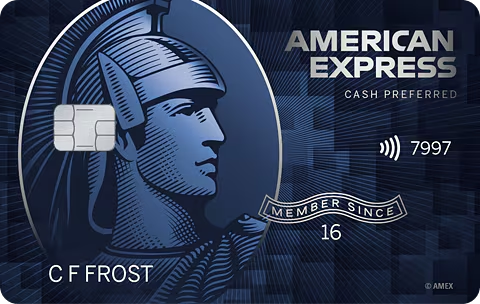 Blue Cash Preferred Card | Grocery earning6% cash back at U.S. supermarkets | Cap or restrictionFirst $6,000 per calendar year, then 1% | Annual fee$0 introductory fee for the first year, then $95 | Best forCash back |
Card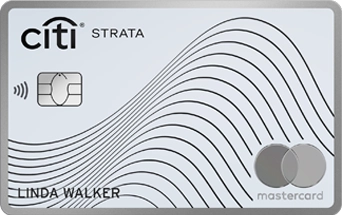 Citi Strata Card | Grocery earning3X ThankYou Points at supermarkets, worth up to an estimated 5.7% for travel | Cap or restrictionNo published supermarket cap | Annual fee$0 | Best forNo-fee ThankYou points flexibility |
Card Chase Sapphire Preferred Credit Card | Grocery earning3X Ultimate Rewards on online groceries, worth an estimated 6.15% for travel | Cap or restrictionOnline only; Walmart, Target, and wholesale clubs excluded | Annual fee$95 | Best forEarning Chase points |
Card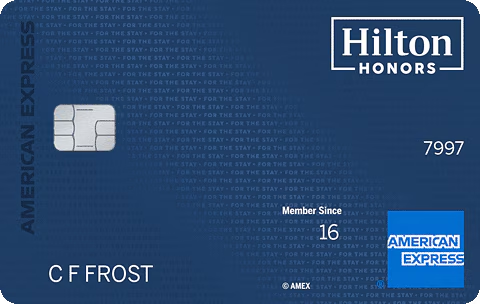 Hilton Honors American Express Surpass Card | Grocery earning6X Hilton Honors points at U.S. supermarkets, worth an estimated 3% | Cap or restrictionNo published supermarket cap | Annual fee$0 introductory fee for the first year, then $150 | Best forHilton loyalists who accept a fee |
Card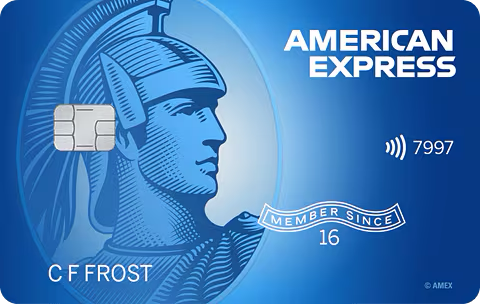 Blue Cash Everyday Card | Grocery earning3% cash back at U.S. supermarkets | Cap or restrictionFirst $6,000 per calendar year, then 1% | Annual fee$0 | Best forSimple cash back |
Card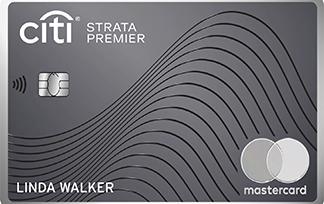 Citi Strata Premier Card | Grocery earning3X ThankYou Points at supermarkets, worth an estimated 5.7% for travel | Cap or restrictionNo published supermarket cap | Annual fee$95 | Best forStarter travel |
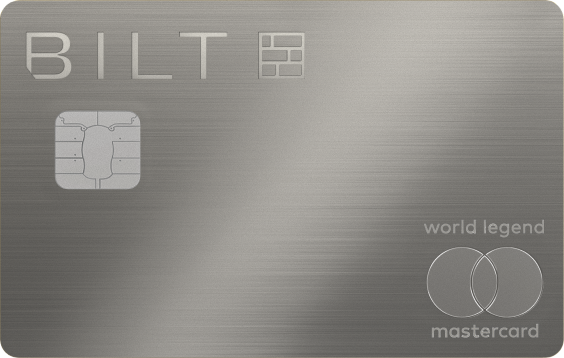
Card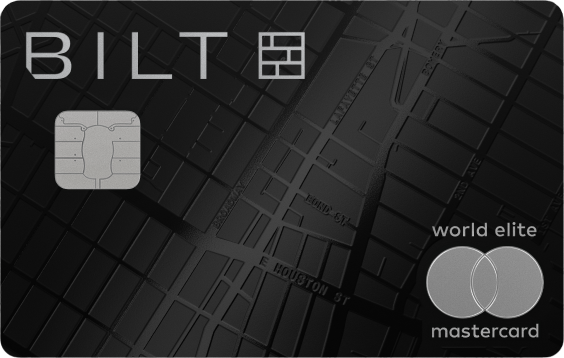 Bilt Mastercard Obsidian | Grocery earning3X Bilt Points when grocery is selected, worth an estimated 6.6% for travel | Cap or restrictionFirst $25,000 per calendar year, then 1X; choose grocery instead of dining | Annual fee$95 | Best forDining, groceries, and everyday essentials |
Card Capital One Savor Cash Rewards Credit Card | Grocery earningUnlimited 3% cash back at grocery stores | Cap or restrictionWalmart and Target excluded | Annual fee$0 | Best forA no-fee grocery card |
Card Hilton Honors American Express Card | Grocery earning5X Hilton Honors points at U.S. supermarkets, worth an estimated 2.5% | Cap or restrictionNo published supermarket cap | Annual fee$0 | Best forNo-fee Hilton points |
Card Chase Freedom Flex | Grocery earning5% when groceries are an activated quarterly category, otherwise 1% | Cap or restrictionFirst $1,500 of combined quarterly bonus-category spend, then 1% | Annual fee$0 | Best forRotating-category optimization |
What $800 a month in groceries earns
A household spending $800 a month puts $9,600 on a grocery card each year. The table assumes every purchase qualifies for the listed category, except Freedom Flex, which currently has no grocery bonus in the third quarter of 2026. Card credits receive no value in this comparison.
| Card | Annual rewards at $9,600 | Estimated value after ongoing fee | Important condition |
|---|---|---|---|
| Card Amex Gold | Annual rewards at $9,60038,400 Membership Rewards points, worth an estimated $768 | Estimated value after ongoing fee$443 | Important conditionAbout $105 of organic credits moves Gold ahead of no-fee Citi Strata |
| Card Blue Cash Preferred | Annual rewards at $9,600$396 after the rate falls to 1% above $6,000 | Estimated value after ongoing fee$301 ongoing, or $396 in year one | Important conditionThe $95 fee begins after the introductory year |
| Card Citi Strata | Annual rewards at $9,60028,800 ThankYou Points, worth up to an estimated $547.20 | Estimated value after ongoing fee$547.20 | Important conditionActual value depends on the no-fee card’s transfer options and ratios |
| Card Chase Sapphire Preferred | Annual rewards at $9,60028,800 Ultimate Rewards points if every order qualifies online | Estimated value after ongoing fee$495.40 online, or $101.80 for ordinary in-store spend | Important conditionIn-store supermarkets receive only 1X |
| Card Hilton Surpass | Annual rewards at $9,60057,600 Hilton points, worth an estimated $288 | Estimated value after ongoing fee$138 ongoing, or $288 in year one | Important conditionValuable mainly when you specifically want Hilton points and benefits |
| Card Blue Cash Everyday | Annual rewards at $9,600$216 after the rate falls to 1% above $6,000 | Estimated value after ongoing fee$216 | Important conditionThe cap limits larger grocery budgets |
| Card Citi Strata Premier | Annual rewards at $9,60028,800 ThankYou Points, worth an estimated $547.20 | Estimated value after ongoing fee$452.20 | Important conditionIts fee needs to earn value through broader travel benefits or transfer access |
| Card Bilt Obsidian | Annual rewards at $9,60028,800 Bilt Points, worth an estimated $633.60 | Estimated value after ongoing fee$538.60 | Important conditionGrocery must be selected instead of dining |
| Card Capital One Savor | Annual rewards at $9,600$288 cash back | Estimated value after ongoing fee$288 | Important conditionThe store must code as an eligible grocery merchant |
| Card Hilton Honors Amex | Annual rewards at $9,60048,000 Hilton points, worth an estimated $240 | Estimated value after ongoing fee$240 | Important conditionHilton points provide less value per point than transferable currencies |
| Card Chase Freedom Flex | Annual rewards at $9,600$96 cash back at the current 1% rate | Estimated value after ongoing fee$96 currently, or $156 if one quarter bonuses groceries | Important conditionRequires activation, and groceries aren’t a Q3 2026 category |
The no-fee Citi Strata produces the highest fee-adjusted estimate in this specific scenario, narrowly ahead of Bilt Obsidian. That doesn’t make it a universal winner because its available transfers and ratios may not support CardStack’s full ThankYou valuation for every reader.
Amex Gold produces the highest gross travel value. Naturally using about $105 of its credits moves its net result above Citi Strata, while Bilt’s $100 hotel credit can also improve its result when a qualifying two-night portal booking already fits your plans.
American Express Gold Card
Amex Gold is the strongest choice for shoppers who want grocery spending to fund travel. Its 4X rate applies to up to $25,000 per calendar year at U.S. supermarkets, enough room for most households, and Membership Rewards can transfer to a broad group of airline and hotel programs.
Pros
- Earns 4X at U.S. supermarkets and restaurants worldwide, two categories that cover a large share of many household budgets.
- Membership Rewards can be transferred to airline and hotel partners instead of being locked into a fixed cash value.
- Dining, Uber, Dunkin’, and Resy credits can offset much of the annual fee when those merchants already fit your routine.
- Travel and purchase protections, no foreign transaction fees, and Amex Offers add value beyond the grocery aisle.
What to know: The $325 annual fee is difficult to justify if the credits go unused. Transfer value also depends on award availability, program rules, and the trip you book.
Blue Cash Preferred Card
Blue Cash Preferred is built for households that want a strong cash return without learning an airline loyalty program. Spending $6,000 at U.S. supermarkets earns $360, and the $0 introductory annual fee leaves that amount intact in the first year.
Pros
- Earns 6% at U.S. supermarkets on the first $6,000 each calendar year.
- Also earns 6% on select U.S. streaming subscriptions and 3% at eligible U.S. gas stations and on transit.
- Includes a monthly Disney streaming credit and access to Amex Offers, which can add savings on purchases you already make.
What to know: The supermarket rate falls to 1% after $6,000 of annual spending. Once the $95 annual fee begins, the grocery category alone returns $265 at the cap.
Citi Strata Card
Citi Strata is the best no-fee option for shoppers who want ThankYou Points. Its useful everyday categories make it easier to keep in regular use instead of treating it as a grocery-only card.
Pros
- Charges no annual fee.
- Earns 3X at supermarkets, on select transit, and at gas and EV charging stations.
- Lets the cardholder choose another eligible 3X category, including fitness clubs, select streaming services, live entertainment, or pet supply stores.
- Provides a path to airline and hotel transfers without paying for a premium Citi card.
What to know: The no-fee card has a more limited transfer lineup, and ratios are not universally 1:1. Check the exact partner and ratio before treating every point as worth CardStack’s full ThankYou valuation.
Chase Sapphire Preferred Credit Card
Chase Sapphire Preferred works best for travelers who already buy groceries online and want to build an Ultimate Rewards balance. It is a well-rounded travel card, but its grocery category is narrower than the others on this list.
Pros
- Earns 3X on eligible online groceries along with dining, gas, EV charging, select streaming, and vacation-home purchases.
- Transfers points to a useful lineup of airline and hotel programs.
- Includes travel protections such as trip cancellation or interruption coverage and primary rental car coverage.
- Offers up to $100 in annual statement credits for qualifying hotel stays booked through Chase Travel.
What to know: Ordinary in-store supermarket purchases earn only 1X, and Target, Walmart, and wholesale clubs are excluded from the online category. The card has a $95 annual fee and no airport lounge access.
Hilton Honors American Express Surpass Card
Hilton Surpass can make sense when supermarket spending supports a broader Hilton strategy. The card earns quickly across several everyday categories and adds hotel benefits that a general grocery card cannot provide.
Pros
- Earns 6X Hilton points at U.S. supermarkets, U.S. restaurants, and U.S. gas stations, plus 12X on eligible Hilton purchases.
- Includes automatic Hilton Honors Gold status, which can improve eligible stays with benefits such as enhanced points earning and food-and-beverage benefits.
- Provides up to $50 in Hilton statement credits each quarter.
- Awards a Hilton Free Night Reward after $15,000 in eligible calendar-year spending.
What to know: Hilton points are less flexible and worth less per point than transferable bank currencies. CardStack’s 0.5-cent valuation makes 6X groceries an estimated 3% return before the ongoing $150 annual fee.
Blue Cash Everyday Card
Blue Cash Everyday is a practical starter card for shoppers who want cash back and no annual fee. Its three everyday bonus categories are broad enough to keep the card useful after the grocery trip ends.
Pros
- Charges no annual fee.
- Earns 3% at U.S. supermarkets, U.S. gas stations, and U.S. online retailers, each subject to its category terms and annual cap.
- Includes statement-credit opportunities that are unusual on a no-annual-fee card.
- Provides access to Amex Offers for targeted savings after enrollment.
What to know: The supermarket rate falls to 1% after $6,000 in annual spending. At $9,600 a year, an uncapped 3% card such as Savor returns $72 more on groceries.
Citi Strata Premier Card
Citi Strata Premier is the better Citi option for travelers who will use its full transfer network and hotel benefit. Grocery spending alone does not justify the fee, but the card covers enough travel and everyday categories to work as a primary rewards card.
Pros
- Earns 3X at supermarkets, restaurants, gas stations, EV charging stations, and on air travel and other hotel purchases.
- Gives access to Citi’s broader airline and hotel transfer lineup.
- Includes a $100 annual hotel benefit on one qualifying Citi Travel booking of $500 or more, before taxes and fees.
- Keeps its annual fee at $95, which is approachable for a transferable-points card.
What to know: The no-fee Citi Strata earns the same 3X supermarket rate. Premier earns its place only when the transfer access, travel categories, or hotel benefit are worth paying for.
Bilt Mastercard Obsidian
Bilt Obsidian can reward both housing payments and everyday spending. Select groceries as the card’s 3X category and it becomes one of the highest-value options in this comparison at CardStack’s 2.2-cent Bilt valuation.
Pros
- Earns 3X on groceries or dining, depending on the category you select.
- Continues to earn rewards on eligible rent or mortgage payments, an expense most grocery cards do not touch.
- Offers valuable airline and hotel transfer partners.
- Includes a split $100 Bilt Travel hotel credit and the option to earn Bilt Cash on everyday purchases.
What to know: You must choose groceries instead of dining, and the choice normally stays locked until the next January selection window. Grocery earning is capped at $25,000 per calendar year, then falls to 1X, and the card charges a $95 annual fee.
Capital One Savor Cash Rewards Credit Card
Capital One Savor is the easiest cash-back card here to use year-round. There is no annual fee, no grocery spending cap to track, and the same rewards rate covers several common leisure categories.
Pros
- Earns unlimited 3% cash back at eligible grocery stores.
- Also earns 3% on dining, entertainment, and eligible streaming services.
- Charges no annual fee.
- Keeps redemption simple for shoppers who prefer cash to airline or hotel points.
What to know: Walmart, Target, and similar superstores do not qualify for the grocery rate. A flat 3% return also has less upside than transferable points used for a high-value trip.
Hilton Honors American Express Card
The no-fee Hilton Honors Amex is an accessible way to earn hotel points from routine spending. It is most useful for Hilton loyalists who want status and category bonuses without adding another annual fee.
Pros
- Charges no annual fee.
- Earns 7X on eligible Hilton purchases and 5X at U.S. supermarkets, U.S. restaurants, and U.S. gas stations.
- Includes complimentary Hilton Honors Silver status.
- Silver status provides the fifth night free on eligible standard-room award stays of five nights or more.
What to know: Hilton points cannot match the flexibility of a transferable bank currency. At CardStack’s 0.5-cent valuation, 5X groceries represents an estimated 2.5% return, below Savor’s 3% cash back.
Chase Freedom Flex
Freedom Flex rewards shoppers who are willing to follow Chase’s rotating calendar. Grocery stores appear periodically, and pairing the card with an eligible premium Chase account can turn its cash-back rewards into transferable Ultimate Rewards points.
Pros
- Earns 5% in activated rotating categories on the first $1,500 of combined quarterly spending.
- Also earns bonus rewards on Chase Travel purchases, dining, and drugstores.
- Charges no annual fee.
- Rewards can be combined with an eligible Sapphire or Ink account for access to that card’s airline and hotel transfer partners.
What to know: Grocery stores are not a third-quarter 2026 bonus category, so current grocery purchases earn 1%. The 5% categories require activation, use a quarterly cap, and cannot transfer directly without another eligible Chase card.
Why merchant coding changes the result
Card issuers award grocery rewards from the merchant category code attached to a posted transaction, not from the food in your cart. American Express and Citi exclude superstores, warehouse clubs, convenience stores, and several specialty categories from their supermarket definitions. Capital One excludes Walmart and Target, while Chase applies Sapphire Preferred’s 3X rate only to qualifying online grocery orders.
Bilt also depends on Mastercard’s grocery coding and requires you to choose groceries rather than dining as the card’s 3X category. Check a posted transaction before projecting one store’s result across your annual budget, especially when an order uses a marketplace, digital wallet, or third-party processor.
The right grocery card depends on the redemption
Choose Amex Gold when high-value transfers and naturally used credits justify its fee. Choose Bilt Obsidian when you prefer to use it for groceries rather than dining and Bilt’s partners are better suited to your travel redemptions. Choose Citi Strata for no-fee ThankYou earning.
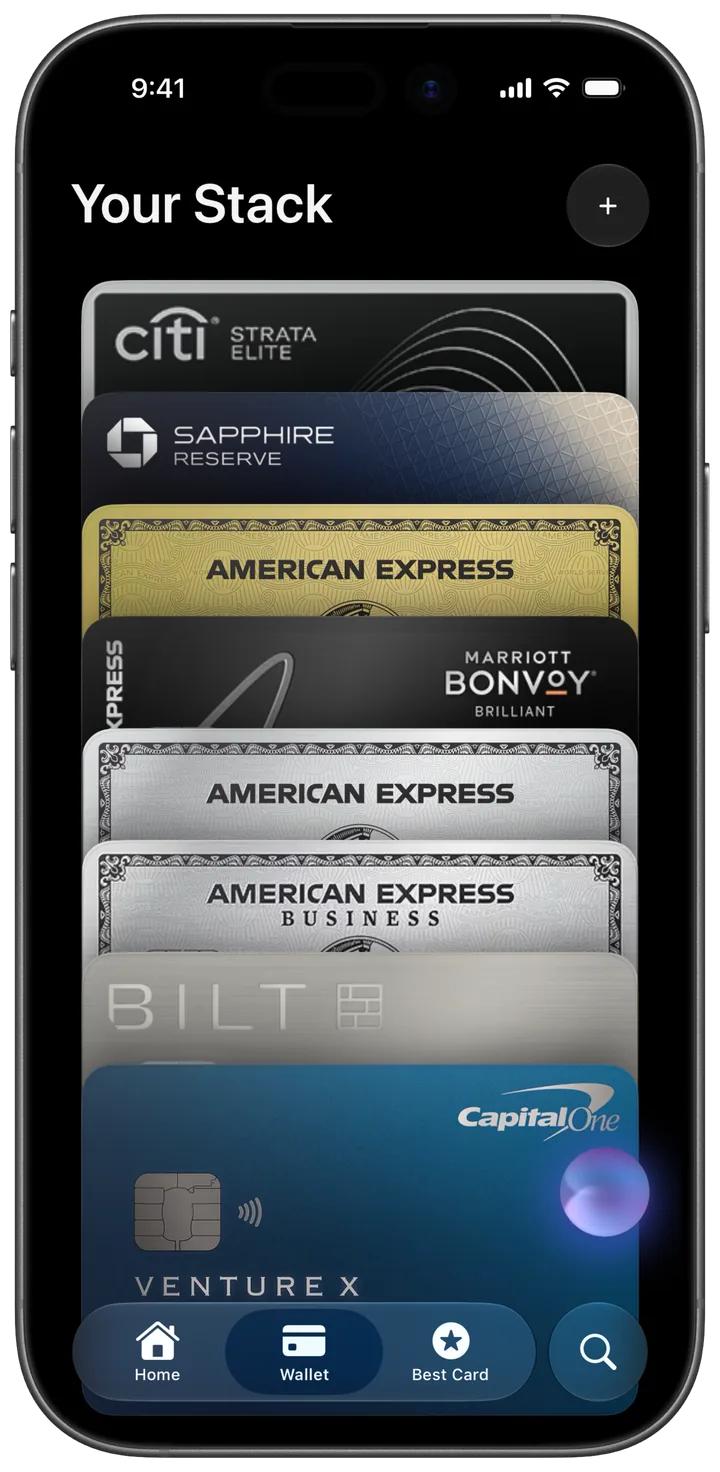
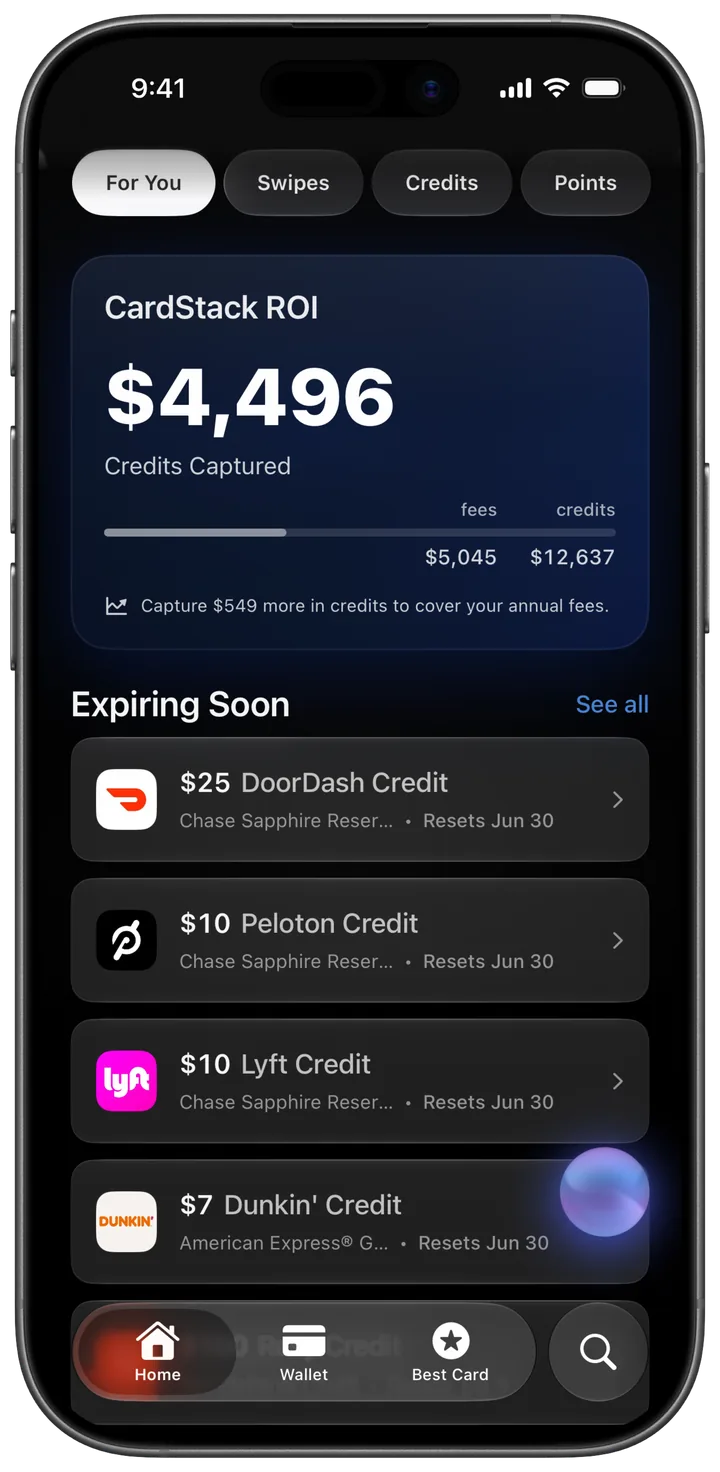
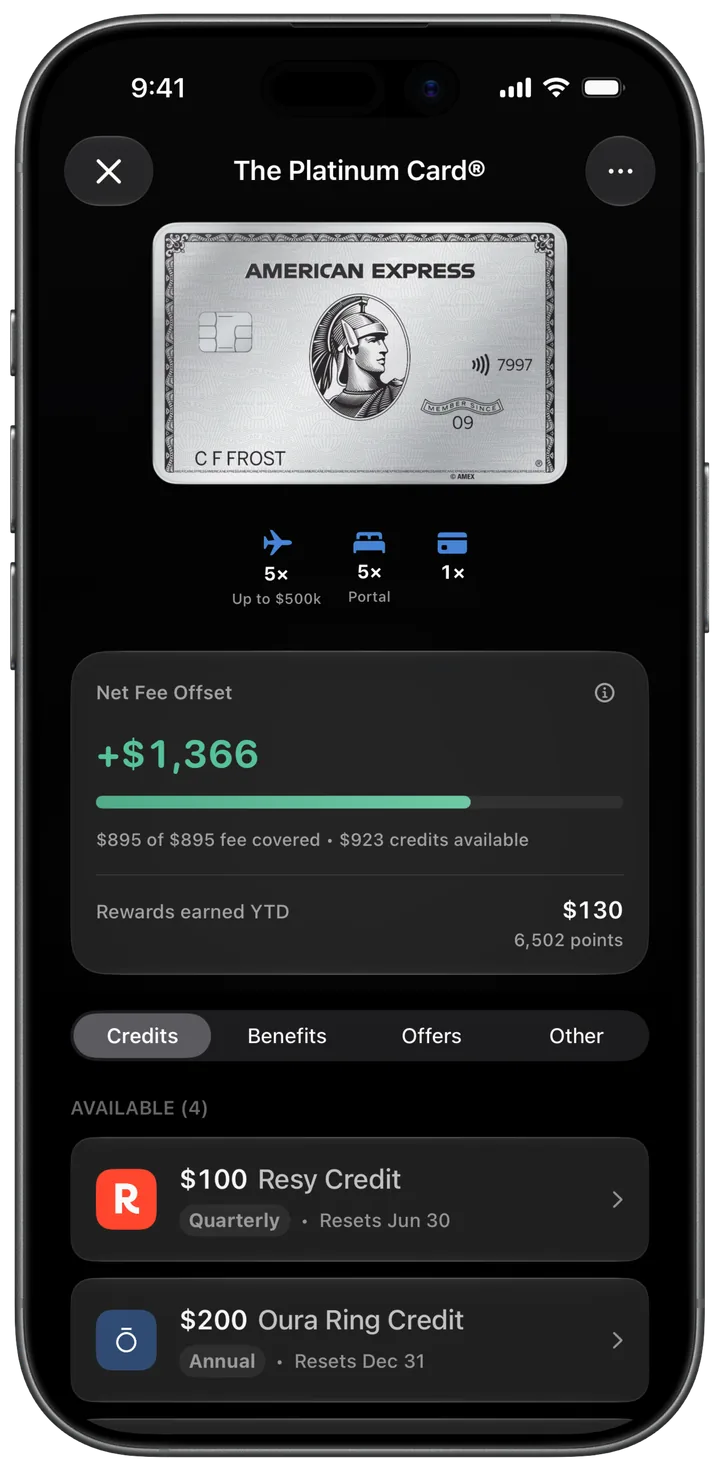
Blue Cash Preferred leads first-year cash back near its cap, while Savor is the simplest uncapped cash option. The remaining cards serve narrower ecosystems, ordering methods, or quarterly strategies. The CardStack app can track the fees, credits, and category limits as the best card for a purchase changes during the year.
Maximize Your Credit Card Rewards
CardStack automatically tracks your benefits, activates your Amex and Chase offers, and shows you the best card at checkout so you can save more money and earn more points.




CardStack Insiders
Newsletter
Card news, standout deals, and product updates—straight to your inbox.
By signing up, you agree to our Terms and Privacy Policy. Unsubscribe anytime.
Read Next
Related articles