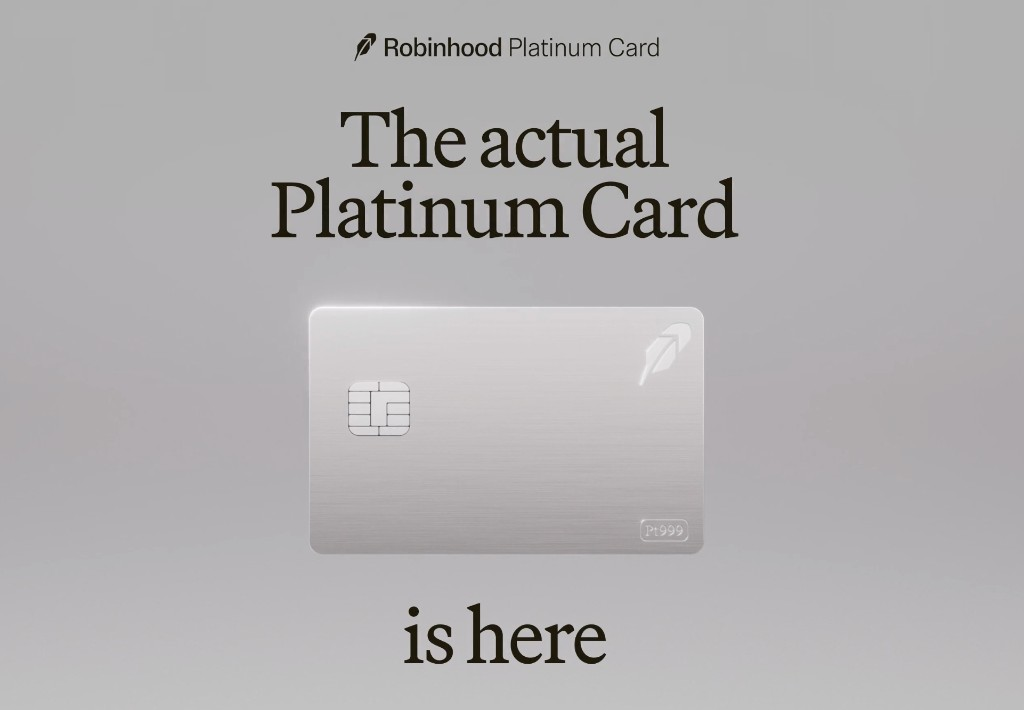
Robinhood announced the Robinhood Platinum Card at its Take Flight event on March 4. It is the company’s second credit card after the Robinhood Gold Card, and it is aimed squarely at the premium segment: $695 annual fee, invite-only at launch, and a benefits sheet that reads like a luxury card playbook.
Here is what actually changed, who it impacts, and whether the math works.
What Robinhood Announced
The Platinum Card is a Visa issued by Coastal Community Bank through Robinhood Credit. At $695, it sits in the same price tier as the Amex Platinum (before Amex’s latest fee hike) and just under the Chase Sapphire Reserve’s $795. Robinhood is not trying to undercut the incumbents on price. It is trying to match them on perceived value.
Rewards:
- 5% cash back on dining
- 5% cash back on flights when you book through the Robinhood Banking app
- 10% cash back on hotels and rental cars (also through the app)
- 1% on everything else
You need a Robinhood Financial brokerage account to redeem cash back. If you do not have one, the rewards are useless. That is a hard requirement, not a nice-to-have.
Annual benefits (the coupon book):
- Complimentary Robinhood Gold membership (normally $50/year)
- Unlimited Priority Pass lounge access
- $250 annual DoorDash credit
- $250 annual credit at 15K+ eligible restaurants
- $120 complimentary DashPass membership
- $500 annual hotel credit (book through the app)
- $300 annual travel credit
- Global Entry or TSA PreCheck fee credit (likely once every four years, standard for premium cards)
- No foreign transaction fees
- Amazon One Medical membership (Robinhood says $199 value)
- Function Health membership ($365 value, per Robinhood)
- Oura membership
- $200 annual credit toward wearables
- $250 annual credit on autonomous rides
Robinhood claims over $3,000 in value per year. As with any premium card, that number assumes you use every credit and assign full retail value to every membership. Real-world value is always lower.
How It Compares to the Robinhood Gold Card
The Gold Card is the other Robinhood offering: no annual fee on the card itself, 3% cash back on all purchases and 5% on Robinhood Travel, but you need an active Robinhood Gold subscription ($50/year) to get the full 3%. So the true cost of maxing out the Gold Card is $50, not zero.
The Platinum is a different product. It is not “Gold with more perks.” It is a premium travel and lifestyle card. You get Robinhood Gold included, so the effective fee is $645 if you were already paying for Gold. The earn structure is category-based (dining, travel) instead of flat 3%, and the benefit list is built around credits and memberships rather than raw cash back.
If you are a heavy diner and book travel through Robinhood’s portal, the Platinum can earn more than the Gold Card in those categories. If you want simple, flat 3% everywhere and do not care about lounge access or DoorDash credits, the Gold Card is still the simpler play.
Who This Card Is For
It makes the most sense for people who already use Robinhood as a brokerage and either already have or want Robinhood Gold. In that case you are not adding a new ecosystem; you are upgrading within one you use.
The card also targets people who will actually use the credits. If you already pay for DashPass, use DoorDash regularly, book hotels through portals, and value Priority Pass, the $695 is easier to justify. If you would not otherwise spend on autonomous rides, Oura, or Function Health, those line items are worth little to you no matter what Robinhood says they are “worth.”
Robinhood is clearly going after the same segment that holds the Amex Platinum or Chase Sapphire Reserve: people who tolerate high annual fees in exchange for a bundle of credits and perks they plan to use. The difference is that Robinhood ties everything to its own app and brokerage. You have to be willing to book travel and manage rewards inside Robinhood’s ecosystem.
Who Should Skip It
Do not get this card if you do not have or want a Robinhood brokerage account. Redemption is tied to it. No brokerage, no way to use the cash back.
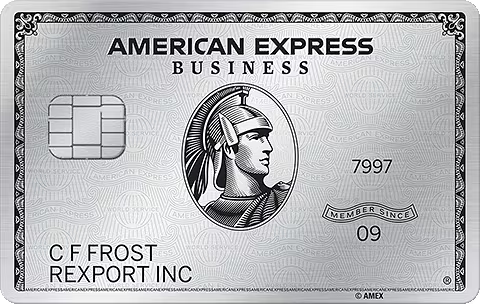
Skip it too if you already have an Amex Platinum or Chase Sapphire Reserve and you are already using their credits. Adding a second $695 card means you need to extract enough value from both to justify both fees. For most people, one premium card is enough. Doubling up only makes sense if you have very high spend and can use two sets of credits without overlap or waste.
If you do not travel much or do not care about lounges, the travel credits and Priority Pass are less valuable. If you do not use DoorDash or the health and wellness partners, a big chunk of the advertised value disappears. The math only works if your spending and habits align with the benefit list.
The Invite-Only Catch
At launch the card is invite-only. Robinhood is sending a limited number of invites and you can request access on its site. There is no public application yet. So even if you want the card, you may not be able to get it. The Gold Card has been waitlist-only for a long time; Robinhood has a pattern of gating access. If you are comparing cards today, the Platinum may not be an option until Robinhood opens the gates.
My Take
Robinhood is doing what every fintech does when it wants to look serious: launch a premium card with a high annual fee and a long list of credits. The structure is familiar. The real question is whether you are already in the Robinhood ecosystem and whether you will use the credits.
If you are a Robinhood user, already value Robinhood Gold, and your spending lines up with dining and travel booked through the app, the Platinum can pencil out. The 5% dining and 10% on hotels and rental cars are strong if you actually book through Robinhood. The included Gold membership, Priority Pass, and DoorDash credits can offset a meaningful portion of the fee.
If you are not in the ecosystem, or you already have a premium card you are happy with, the Platinum is easy to ignore. The invite-only rollout also means that for now, this is more of a signal of where Robinhood is going than a card most people can act on.
For anyone who does get an invite: run your own numbers. List the credits you would actually use, assign conservative values, and see if you clear $695. Tools like CardStack can help you track statement credits and see whether a card is paying for itself. Robinhood’s “$3,000+ in value” is marketing. Your realized value is what you actually use.




CardStack Insiders
Newsletter
Card news, standout deals, and product updates—straight to your inbox.
By signing up, you agree to our Terms and Privacy Policy. Unsubscribe anytime.